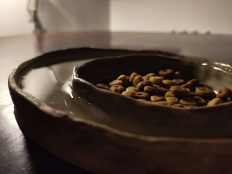
An ant-proof pet bowl, made by hand
In Indian homes, ants routinely get into pet food bowls, and the food becomes inedible. I wanted a bowl the ants could not reach. This is what I made, and what the cats thought of it.
The idea
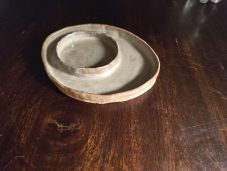
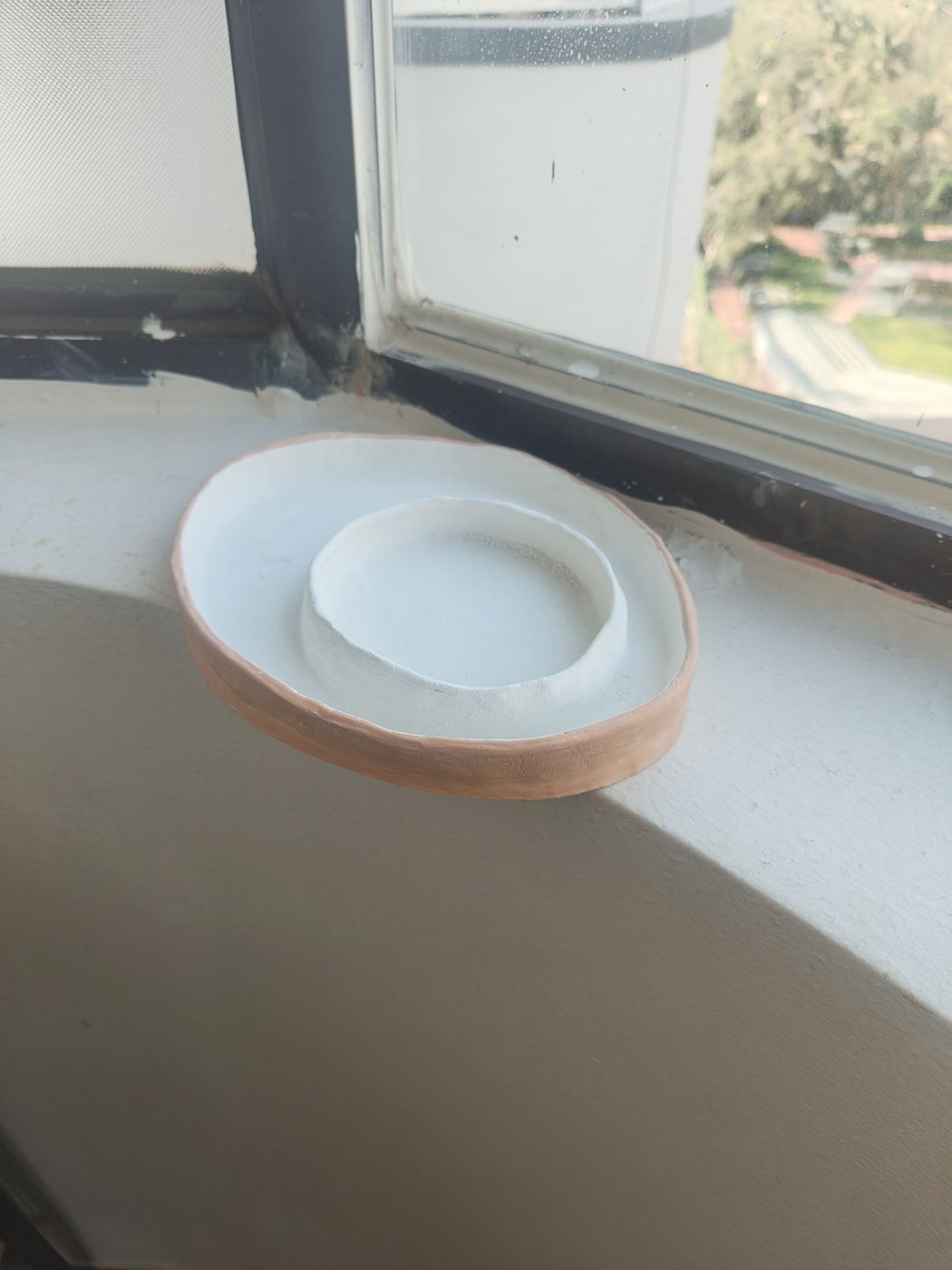
A bowl with a water moat. The inner bowl holds the food. The outer ring holds water. Ants cannot cross the water, so the food stays clean.
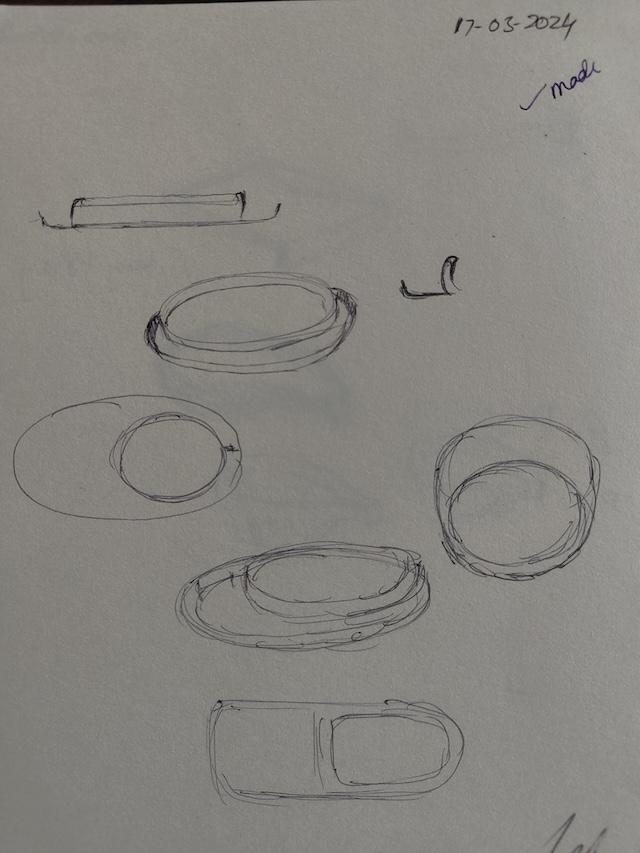
Learning to make it
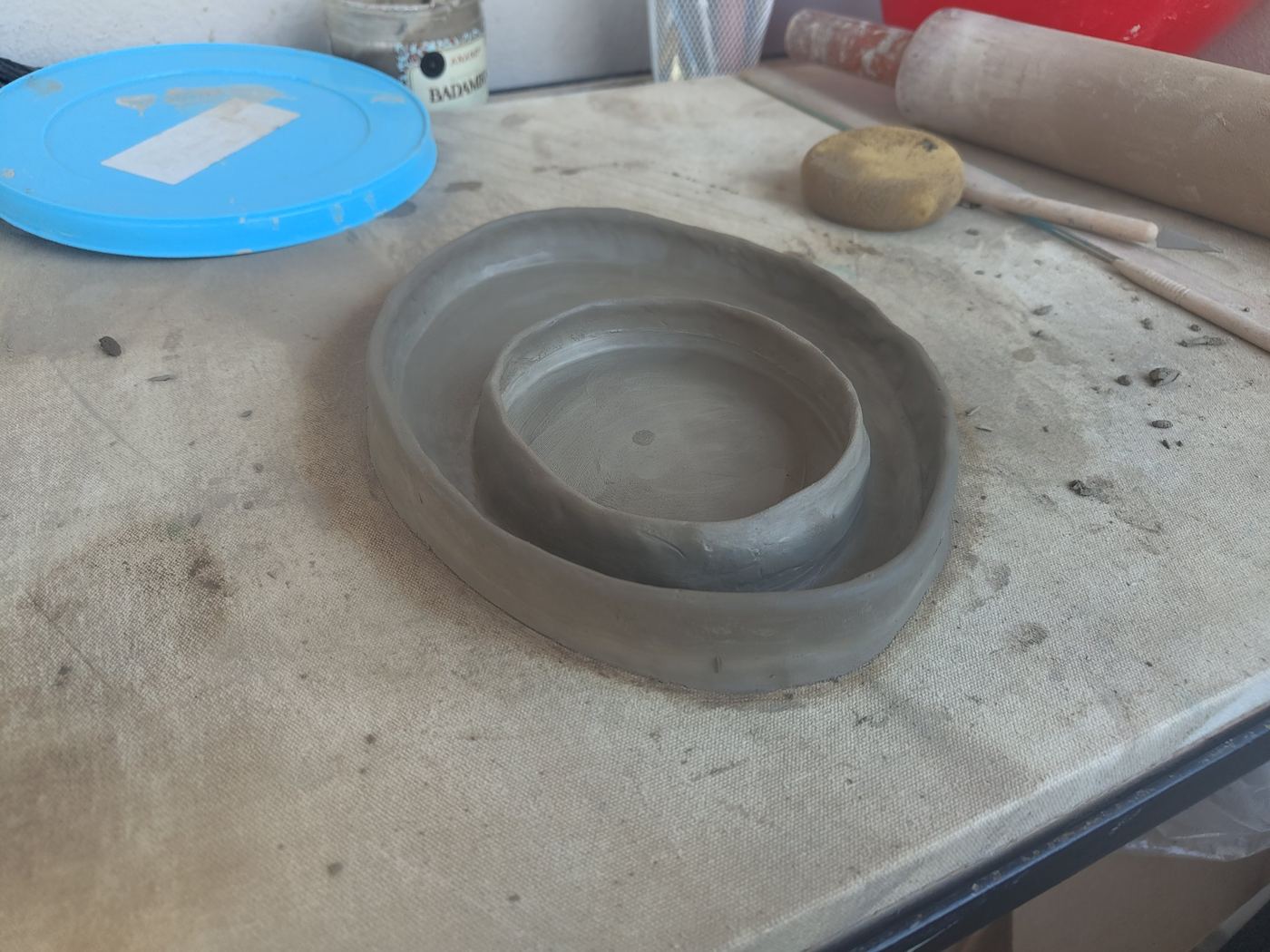
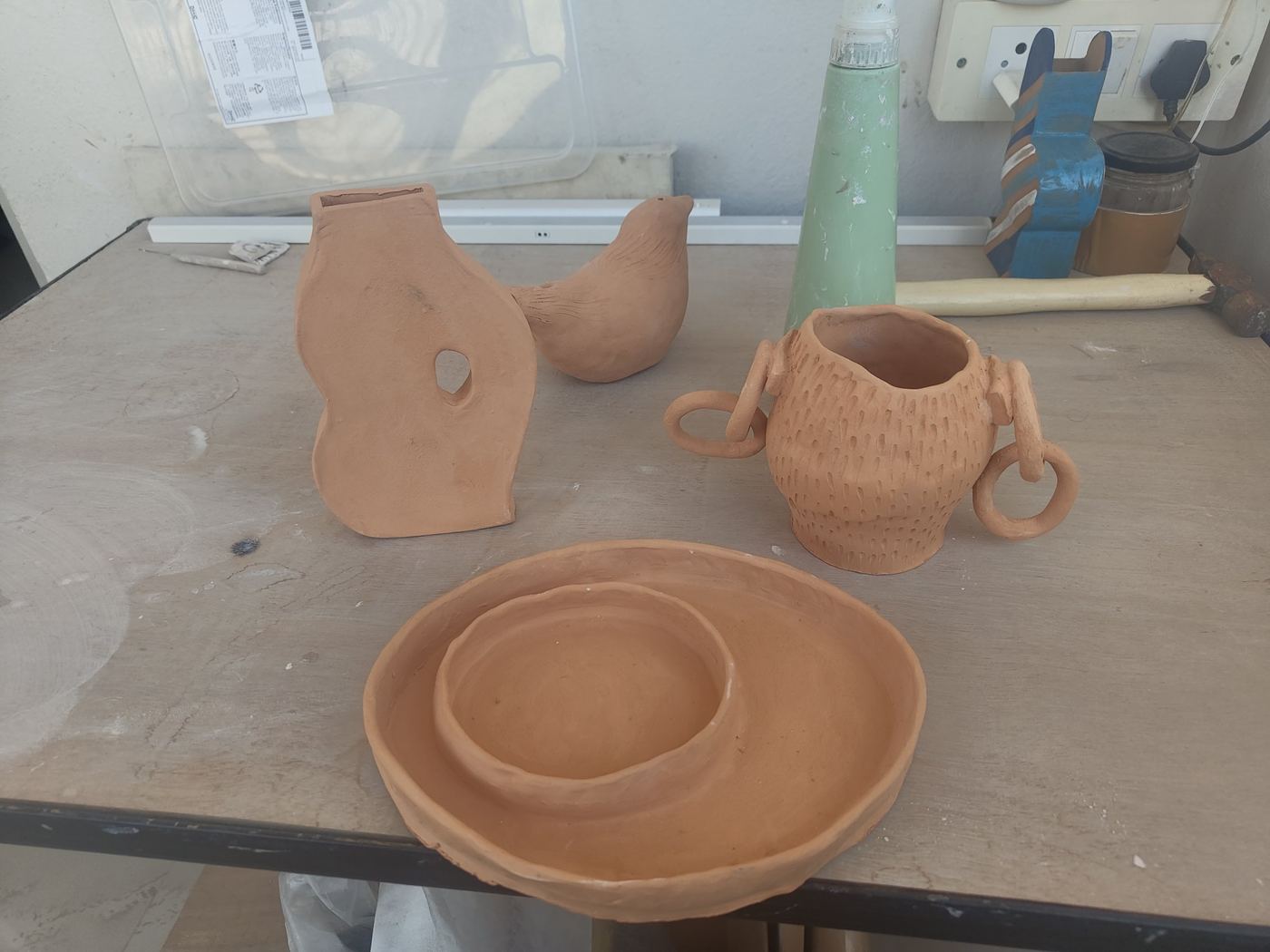
I had never worked with clay. I took pottery classes for two months, with a teacher, specifically to learn the skill this idea needed. The bowl is slab-built by hand, and I built it in a single attempt.
What I learned
The moat worked. The ants could not cross it. But using it showed two design flaws.
- My cats were reluctant to eat with water so close to their food. The next version needs a moat the pet barely notices and ants still cannot cross. A narrower channel might do it, or a different material at the boundary.
- The glaze began to wear off. After a long time as an ordinary pet bowl, the ceramic glaze started to degrade. It needed a more thorough coat before firing.
The bowl solved one problem and created two others.